Turf

Lawns are the perfect place for relaxing, entertaining, and spending quality time with your pets. Your furry friends likely spend most of their day outside, running, rolling, and exploring. However, creating a backyard that remains lush and green while keeping your pets safe requires proper planning. Standard turf varieties and harsh chemical lawn care products simply cannot keep up with the demands of an active dog or a curious cat.

Making your garden a pet-friendly space is not as difficult as you might think. At The Turf Man Perth, we know that with the right turf selection, smart landscaping, and non-toxic lawn care, you can end the turf war between you and your pet.

Below is our comprehensive guide to creating the ultimate pet-friendly lawn.

How to Create a Pet-Friendly Lawn (Quick Summary)

To create a safe and durable pet-friendly lawn, you should follow these essential steps:

  • Choose durable turf: Plant hard-wearing, self-repairing grass types like Kikuyu, Couch, or Zoysia.
  • Prevent urine burn: Water grass immediately after your dog urinates to dilute the high nitrogen concentration.
  • Use safe fertilisers: Apply only organic or pet-safe lawn treatments, keeping pets off the grass for at least 24 hours after granular applications.
  • Mow higher: Keep your grass slightly longer to help it handle heavy foot traffic and disperse urine more effectively.
  • Create designated zones: Set up specific shaded areas for resting and a dedicated potty area to protect your main turf.

1. Choose the Best Dog-Friendly Turf Varieties

Dogs are tough on lawns. High foot traffic, running, and heavy play will quickly thin out delicate grass, leaving bare patches and compacted soil. The best grass for dogs needs strong wear tolerance, fast recovery, and deep root systems.

What is the best lawn for dogs?

The best lawn for dogs is a fast-growing, warm-season running grass that can naturally repair itself. Top choices for Australian backyards include:

  • Couch Grass: Couch is legendary for active dogs. It features fine leaves and aggressive above-ground and underground runners that allow it to recover rapidly from damage. It is perfect for high-traffic areas and loves full sun.
  • Kikuyu Grass: Known for its incredible durability, Kikuyu is a robust running grass that withstands heavy wear and tear. It repairs itself quickly and thrives in both full and partial sun.
  • Buffalo Grass (Sir Walter): If your yard has shaded areas, a Buffalo variety like Sir Walter DNA Certified is an excellent choice. It has broad, soft leaves that are gentle on sensitive paws. It is also low-allergenic and weed-resistant.
  • Zoysia Grass: Zoysia creates a highly dense mat that is incredibly tough for dogs to dig through. It is highly durable, handles foot traffic well, and requires less mowing than Couch or Kikuyu.
  • TifTuf Hybrid Bermuda: This is a fast-repairing turf variety designed for heavy use. TifTuf repairs itself rapidly, making it ideal for families with energetic pets and children.

2. Manage and Prevent Dog Urine Burn

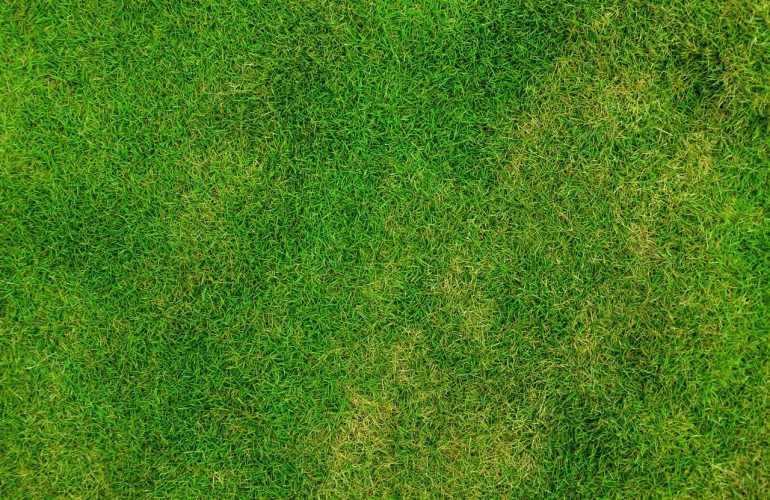
One of the most frustrating challenges for dog owners is dealing with yellow, dead patches of grass. Dog urine contains highly concentrated nitrogen. While nitrogen is a vital nutrient for grass, an excessive amount in one spot acts like a chemical burn.

How can I stop my dog’s pee from killing the grass?

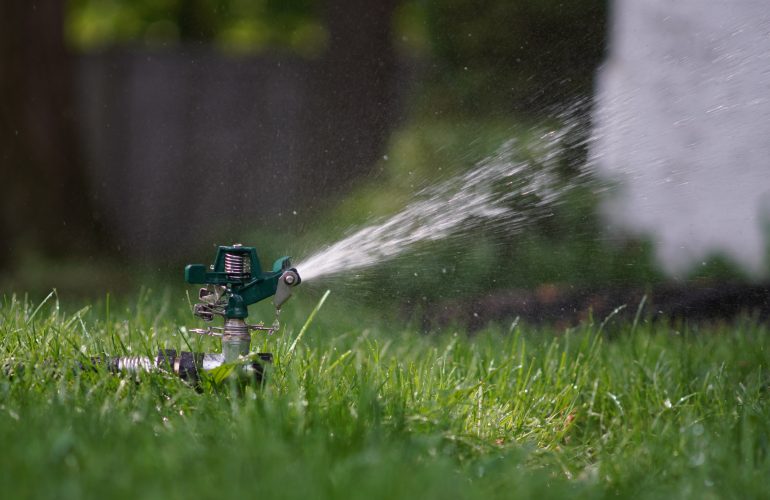
You can stop dog urine from burning your lawn by immediately diluting the area with water. Keep a watering can or hose nearby and drench the spot right after your dog urinates.

Other effective strategies include:

  • Use Dog Rocks: Placing mineralised Dog Rocks in your pet’s water bowl can help filter out impurities and alter the nitrogen levels in their urine, significantly reducing grass burn.
  • Designate a Potty Area: Train your dog to use a specific corner of the garden. You can use sand, mulch, or loose soil for this area to keep your main lawn completely pristine.
  • Increase Hydration: Encourage your dog to drink more fresh water. A well-hydrated dog produces less concentrated urine.

3. Use Pet-Safe Lawn Care Products

As a pet owner, you want a thick, green lawn without compromising your pet’s health. To maintain healthy turf, you will need to apply fertilisers and pest control products throughout the year.

Are lawn fertilisers safe for dogs and cats?

Lawn fertilisers are safe for pets as long as you use organic products or follow strict application guidelines. At The Turf Man Perth, we highly recommend choosing products free from heavy metals and toxic chemicals.

  • Granular Fertilisers: These are safe if watered into the soil correctly. However, you must keep your pets off the lawn for a minimum of 24 hours after application to ensure the granules are dissolved and absorbed.
  • Liquid Fertilisers: Once a liquid fertiliser has completely dried and absorbed into the grass leaf, it is safe for your pets to return to the lawn. Depending on the weather, this usually takes a few hours.
  • Avoid Toxic Baits: Never use chemical snail, slug, or rodent baits in a pet-friendly garden. Products containing metaldehyde are highly toxic to dogs and cats. If you suspect your pet has ingested snail bait, seek emergency veterinary advice immediately.

4. Design a Pet-Friendly Landscape

A well-organised garden will protect your plants and save your pets from potential injuries. A smart landscaping design incorporates both safety and entertainment.

Essential Landscaping Tips for Pets

  • Avoid Toxic Plants: Many common garden plants are toxic to pets. Remove or fence off plants such as Lilies, Sago Palms (Cycads), Daffodils, Oleander, and Azaleas. Instead, choose pet-safe plants like Spider Plants, Camellias, and Jasmine.
  • Provide a Shady Retreat: Dogs often dig holes in the grass trying to find cool soil to lie in. Prevent digging by providing adequate shade. Plant large trees or set up a raised, trampoline-style bed in a cool, ventilated area.
  • Secure the Perimeter: Walk your fence line to check for any escape routes. A sturdy timber or iron fence keeps your pet safely inside and stops them from roaming the neighbourhood.
  • Create Pathways: Dogs tend to patrol the same routes along fence lines. You can prevent worn dirt tracks by laying down pavers or stone pathways along their favourite routes.

5. Repairing Pet Damage and Soil Compaction

Constant running and playing will eventually compact the soil beneath your lawn. Compacted soil restricts oxygen and water from reaching the grass roots, leading to weak turf that is easily torn up.

How do you fix a dog-damaged lawn?

Fix dog-damaged grass by gently aerating the compacted soil with a garden fork. Once the soil is loosened, rake the area and apply a mixture of top dressing soil and fast-growing grass seed. Keep the repaired patch well-watered and block your dog from accessing it until the new grass establishes.

Always ensure your mower blades are sharp. Tearing the grass with blunt blades weakens the plant, making it far more susceptible to pet damage.

Contact The Turf Man Perth

At The Turf Man Perth, we care about you, your pets, and your lawn. We want you to be able to enjoy a healthy, lush garden without the constant stress of repairs. Lawn care with pets is easily manageable when you have the right advice.

For more tips on installing pet-friendly lawns or to book an expert consultation, contact us today on 0410752082 and our friendly team will be happy to assist you!

Frequently Asked Questions (FAQs)

What is the 1/3 rule for a lawn?

The 1/3 rule states that you should never cut off more than one-third of the grass blade height in a single mowing session. Cutting grass too short causes severe stress to the plant, making it much harder for the lawn to recover from the heavy wear and tear caused by pets.

How long after fertilising a lawn is it safe for dogs?

For granular fertilisers, you should keep dogs off the lawn for at least 24 to 48 hours, ensuring the product is thoroughly watered into the soil. For liquid fertilisers, wait until the product is completely dry to the touch, which typically takes 2 to 4 hours depending on the weather.

Is Seasol safe for dogs?

Yes, Seasol is generally considered safe for dogs and cats once it has been applied and allowed to dry. Because it is a seaweed-based plant tonic rather than a harsh chemical fertiliser, it is a fantastic, pet-friendly option for boosting your lawn’s health.

How do I maintain a grass lawn with dogs?

Maintain a dog-friendly lawn by mowing at a higher setting to protect the grass roots, aerating the soil twice a year to relieve compaction, and immediately watering areas where your dog urinates. Promptly picking up pet waste also stops harmful bacteria from damaging the turf.

Leave a Reply

Your email address will not be published. Required fields are marked *

This field is required.

This field is required.