Lawn Care Turf

Winter lawn care is often overlooked, but it plays a critical role in keeping your grass healthy and ready for spring growth. In Perth, most lawns consist of warm-season grasses like Kikuyu, Couch, and Buffalo, which slow down or become dormant during the cooler months.

That slower growth does not mean your lawn needs zero attention. It simply needs the right type of care.

Below are practical, proven winter lawn care tips to help you protect your lawn, prevent weeds, and maintain strong turf through winter.

7 Essential Winter Lawn Care Tips

1. Reduce watering and only water when needed

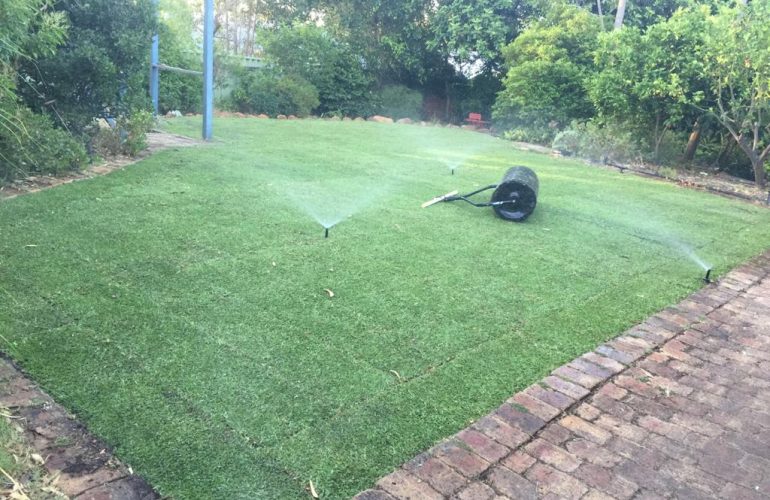
One of the most important winter lawn care tips is to cut back on watering. Your lawn requires far less water during winter due to lower temperatures and reduced evaporation.

Only water if:

  • Grass blades start to curl
  • The lawn looks dry or stressed

Water early in the morning so moisture does not sit on the grass overnight. Overwatering in winter increases the risk of fungal disease and weak root systems.

2. Mow less often and raise your mowing height

Lawn growth slows significantly in winter, so mowing becomes less frequent. However, completely ignoring mowing is not ideal.

For proper lawn care in winter:

  • Mow every 3 to 4 weeks if needed
  • Raise your mower height
  • Avoid cutting more than one third of the grass blade

Longer grass improves photosynthesis, helps retain moisture, and protects the soil.

3. Keep your grass slightly longer

Maintaining a higher cut is not just about mowing frequency. It is a key part of winter lawn care.

A longer lawn:

  • Absorbs more sunlight during shorter days
  • Improves turf density
  • Naturally suppresses weeds

Cutting too short weakens the lawn and exposes it to stress, frost, and weed invasion.

4. Control weeds early before they spread

Weed control is critical when learning how to care for your lawn in winter. Weeds like bindii, clover, and winter grass thrive when your lawn is weaker.

To stay ahead:

  • Apply a pre-emergent herbicide early in the season
  • Spot treat weeds before they seed
  • Maintain a dense lawn to reduce space for weeds

Weed control during winter leads to a cleaner, healthier lawn in spring.

5. Avoid walking on wet or frosty grass

Winter soil is often soft due to rain and cooler conditions. Walking on your lawn can cause compaction and long-term damage.

Avoid:

  • Foot traffic after rain
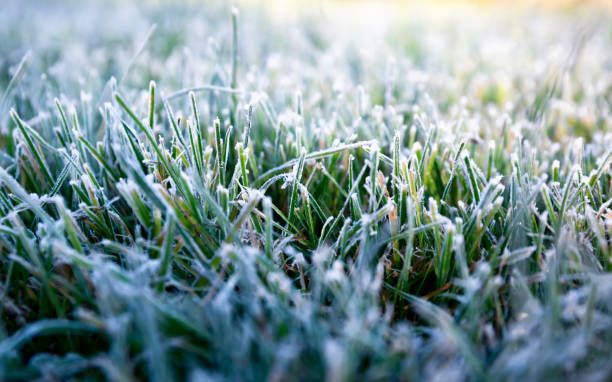
  • Walking on frosty grass
  • Repeated use of the same lawn areas

Reducing lawn traffic helps roots breathe and improves soil structure.

6. Aerate compacted soil

Soil compaction is a common winter issue, especially in high-traffic areas.

Aeration improves:

  • Airflow to roots
  • Water absorption
  • Nutrient delivery

Use a garden fork or mechanical aerator in late winter to prepare your lawn for spring recovery.

7. Keep your lawn clear of leaves and debris

Debris blocks sunlight and traps moisture, which can lead to disease and poor lawn health.

Regularly:

  • Remove fallen leaves
  • Clear sticks and organic matter
  • Allow sunlight and airflow to reach the grass

This simple step is often missed but makes a noticeable difference.

How Your Lawn Grows in Winter?

During Perth winters, lawn care is focused more on maintenance and protection rather than active growth. Warm-season grasses such as Sir Walter Buffalo, Zoysia, Wintergreen Couch, and Kikuyu naturally enter a state of dormancy or semi-dormancy because cooler soil temperatures and reduced sunlight slow down their metabolic activity. You might notice your lawn losing some of its vibrant green colour during this period, but this is completely normal and does not indicate poor health. With the right winter care, including careful mowing, minimal watering, and protection from heavy traffic, your turf will stay strong and be ready to bounce back quickly when spring arrives.


Fertilising Your Lawn in Winter

Fertilising can still play an important role in winter lawn care, but timing and product choice are key to supporting root strength and helping your lawn recover in spring.

  1. Apply a slow-release fertiliser before or early in winter to ensure nutrients are available when the lawn needs them. Consider products like Baileys 3.1.1 Plus for micro-granulated nutrient support.
  2. Choose fertilisers with higher potassium levels to strengthen your grass and improve resistance to cold. Our Eco-Prime Emerald NPK Fertiliser is ideal for thick, resilient turf.
  3. Avoid high nitrogen fertilisers during full dormancy, as they encourage leaf growth rather than root development, which is less effective in winter. For balanced winter nutrition, Eco-Prime Red offers a biologically activated rock mineral blend.
  4. Use supplementary products like Eco-Wet Liquid Wetting Agent to improve soil structure and water penetration, enhancing nutrient uptake during cooler months.

By selecting the right fertiliser and applying it at the correct time, your lawn develops stronger roots, thicker coverage, and faster recovery once spring arrives.

Common Winter Lawn Care Mistakes

Avoiding mistakes is just as important as following the right winter lawn care tips, as small errors during the cooler months can lead to long-term damage.

  1. Overwatering the lawn keeps the soil too wet, increasing the risk of fungal disease and weakening the roots.
  2. Cutting grass too short reduces photosynthesis and leaves the lawn stressed and more vulnerable to frost and weeds.
  3. Ignoring weeds until spring allows them to spread and establish, making them harder to control later.
  4. Walking on wet or frosty grass causes soil compaction and damages grass blades, leading to patchy growth.
  5. Letting debris build up blocks sunlight and traps moisture, which can encourage disease and slow recovery.

Preparing Your Lawn for Spring Starts in Winter

Every action you take during winter affects how your lawn performs in spring, so consistent care during the cooler months makes a noticeable difference.

  1. Faster green-up as the lawn responds quickly once temperatures rise.
  2. Thicker turf coverage as healthy growth fills in bare or weak areas.
  3. Fewer weeds due to better lawn density and early control.
  4. Healthier root systems that support stronger and more resilient grass.

A neglected lawn in winter will always struggle to recover later.

Need Help with Winter Lawn Care in Perth?

Looking after a lawn through winter can feel simple on the surface, but the difference between an average lawn and a standout one comes down to the details.

At The Turf Man, we work closely with Perth homeowners to take the guesswork out of lawn care. Whether your lawn is struggling with weeds, compaction, poor growth, or patchy areas, we provide practical solutions based on real local conditions, not generic advice.

From helping you choose the right turf variety to guiding you through seasonal lawn care, our focus is on long-term results. A healthy lawn is not built in a single season. It is built with the right approach throughout the year, especially during winter when most people neglect it.

If you want your lawn to come back thicker, greener, and healthier in spring, now is the time to act. Reach out to us and get expert advice tailored to your lawn, your soil, and your space.

FAQs

How to care for your lawn in winter in Australia?

Reduce watering, mow less frequently, keep grass longer, control weeds early, and avoid heavy traffic on the lawn.

Is it okay to mow the lawn in winter?

Yes, but less frequently. Keep the grass slightly longer to support photosynthesis and overall health.

Do lawns need watering in winter?

Most lawns do not need regular watering in winter. Only water when the lawn shows signs of dryness.

Leave a Reply

Your email address will not be published. Required fields are marked *

This field is required.

This field is required.