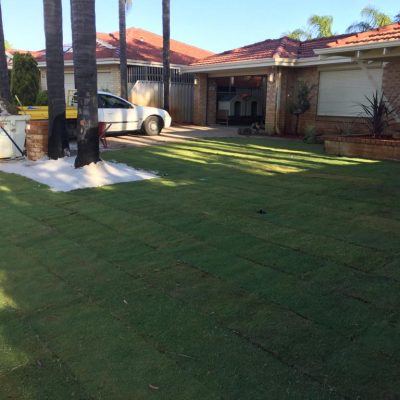
When you stand in your front yard and look at a patch of bare, sandy dirt, making the right choice for your new lawn can feel overwhelming. Because Western Australia experiences scorching summers and strict water restrictions, you cannot afford to pick the wrong turf. You need a lawn that thrives in our unique climate. For most local homeowners, the decision usually comes down to two heavyweights. The debate of couch or kikuyu is one we hear every single week at The Turf Man.
Both of these warm-season grasses are incredibly popular across Perth. Although they share similarities in how they handle the heat, they offer entirely different looks, maintenance requirements and growth habits. If you want a lawn that will become your pride and joy rather than a weekend chore, you must understand how these varieties perform in our local environment.
Below, we have put together the ultimate guide to help you choose the perfect grass for your home.
Quick Answer: Couch vs Kikuyu
If you are looking for a fast answer to the couch vs kikuyu debate, here is a quick summary to help you decide.
- Choose Couch Grass if: You want a pristine, manicured lawn with a fine leaf blade. Couch boasts excellent drought tolerance and handles heavy foot traffic beautifully. It requires regular mowing and full sun to keep its premium appearance.
- Choose Kikuyu Grass if: You need a budget-friendly, aggressive grower that recovers rapidly from damage. Kikuyu features a coarser leaf and is the perfect choice for active families with large dogs. It spreads quickly and requires frequent edging to keep it out of garden beds.
Understanding Couch Grass
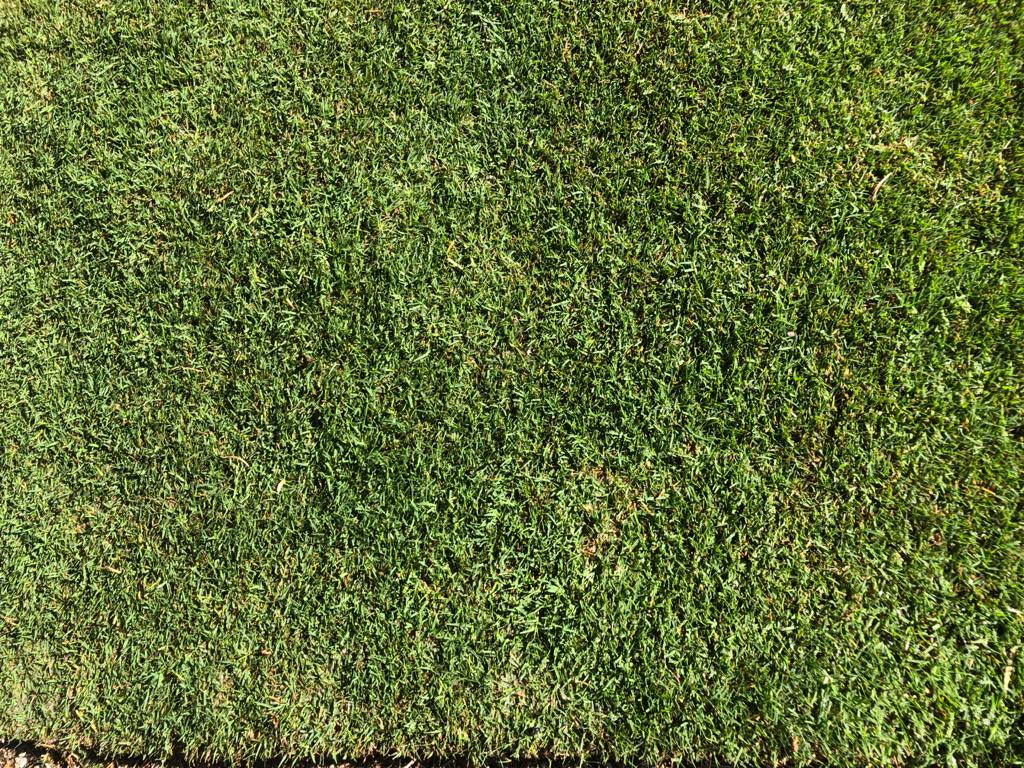
Known for its fine texture and rich green colour, couch grass is a premium choice for homeowners who love a polished aesthetic. Golf courses and elite sports fields across Australia frequently use couch varieties because this grass forms a tight, dense surface.
When you plant a couch lawn, you get a turf variety that thrives in full sun. Once established in Perth’s sandy soils, it develops a deep root system alongside underground stems called rhizomes. Because these rhizomes store energy, the grass can recover efficiently from intense summer heat and heavy wear.
The Benefits of Couch
- Stunning Appearance: The fine leaf blades create a velvety, soft surface that looks highly manicured when mowed correctly.
- Exceptional Wear Resistance: Couch bounces back brilliantly from foot traffic, making it a fantastic surface for backyard cricket or entertaining.
- Drought Tolerance: Once its root system establishes, couch grass can survive extended dry spells.
The Drawbacks of Couch
- High Sunlight Needs: Couch grass requires a minimum of six hours of direct sunlight daily. It will quickly thin out and die in shaded areas.
- Maintenance: To maintain that neat appearance, you must mow it regularly during the peak growing season and apply quality liquid fertilisers.
Understanding Kikuyu Grass
Originally native to the highland regions of East Africa, Kikuyu is a vigorous and highly resilient grass. When cattle farmers first brought it to Australian shores, they praised its ability to withstand extreme conditions. Today, it remains one of the most popular and economical choices for residential lawns.
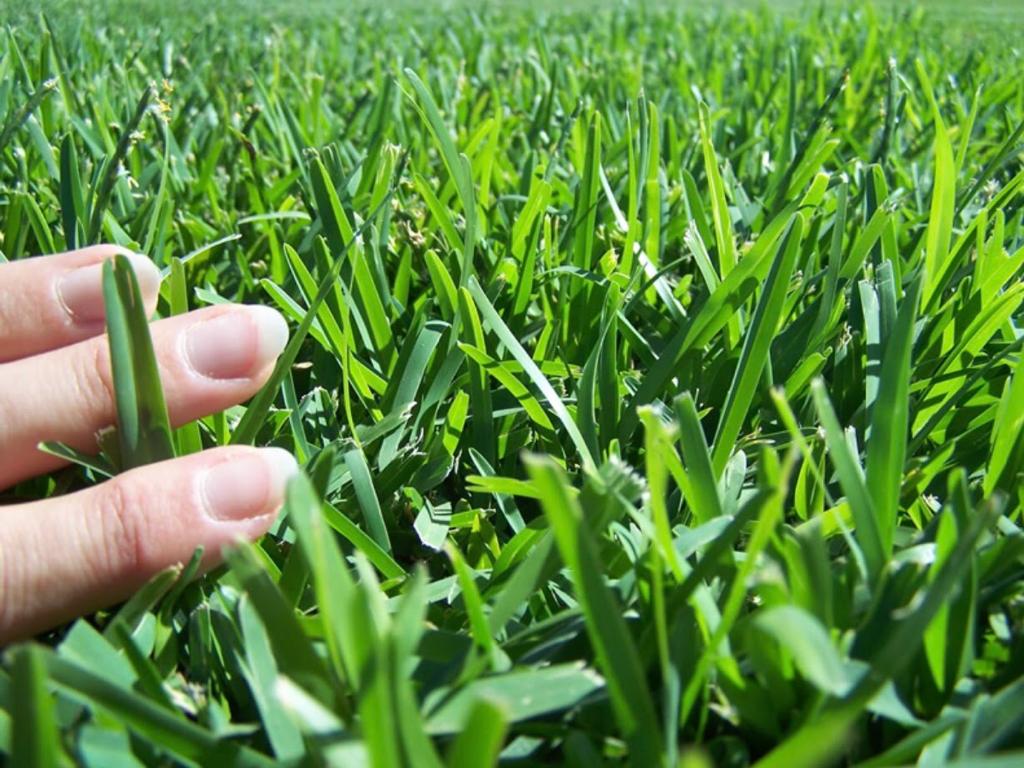
If you are weighing up kikuyu vs couch, you will immediately notice that kikuyu has a broader, coarser leaf blade. It grows rapidly through above-ground runners called stolons. Because it grows so fast, it repairs itself faster than almost any other turf variety on the market.
The Benefits of Kikuyu
- Rapid Recovery: If your large dog digs a hole or your kids wear a path through the yard, kikuyu will cover the bare patch incredibly quickly.
- Budget-Friendly: Kikuyu is generally more affordable to purchase and install than premium couch varieties.
- Adaptable: It handles poor soil conditions well and establishes itself fast.
The Drawbacks of Kikuyu
- Aggressive Spreading: That fast growth rate means kikuyu will constantly try to invade your garden beds and paving. You will need to edge your lawn frequently.
- Frequent Mowing: During the warm summer months, you might find yourself mowing a kikuyu lawn every five to seven days.
- Poor Shade Tolerance: Just like couch, kikuyu requires full sun and will not perform well under dense tree canopies.
Head-to-Head: Couch Grass vs Kikuyu
To make your decision easier, let us compare these two popular varieties across the exact categories that matter most to Perth homeowners.
1. Appearance and Texture
When comparing couch grass vs kikuyu, appearance is often the deciding factor. Couch provides a dense, fine-textured finish that feels beautifully soft underfoot. If you own a cylinder mower and love the look of a bowling green, couch is your clear winner. Kikuyu features a bright yellow-green colour with a much broader leaf. While it still looks incredibly lush, it provides a more robust and coarse aesthetic.
2. Wear and Tear
Both varieties offer exceptional wear tolerance. Couch handles high foot traffic beautifully because its dense undergrowth acts like a shock absorber. However, kikuyu takes the crown for rapid repair. If your backyard sees heavy use from energetic pets or daily sports practice, kikuyu will outpace couch in recovering from structural damage.
3. Maintenance and Upkeep
If you want a lawn that you can ignore for weeks, neither of these grasses is a perfect fit. Since kikuyu grows aggressively, it demands frequent mowing and rigorous edging to prevent an invasive weed situation in your flower beds. Couch grows slightly slower but requires a disciplined fertilising schedule and precise mowing heights to prevent thatch buildup.
4. Water Requirements and Drought Tolerance
The Water Corporation enforces strict two-day-per-week watering rosters in Perth. Because our water limits are so tight, drought resistance is critical. Both grasses handle dry spells well once established. Couch grass generally offers slightly better drought tolerance and retains its colour longer during extreme heatwaves. Kikuyu will survive severe droughts by going dormant, but it may lose its vibrant green colour faster than couch when deprived of irrigation.
The Perth Factor: Soil Preparation Matters
Whether you choose kikuyu or couch, your lawn will only perform as well as the soil beneath it. Perth is notorious for its nutrient-poor, sandy soils that struggle to retain moisture.
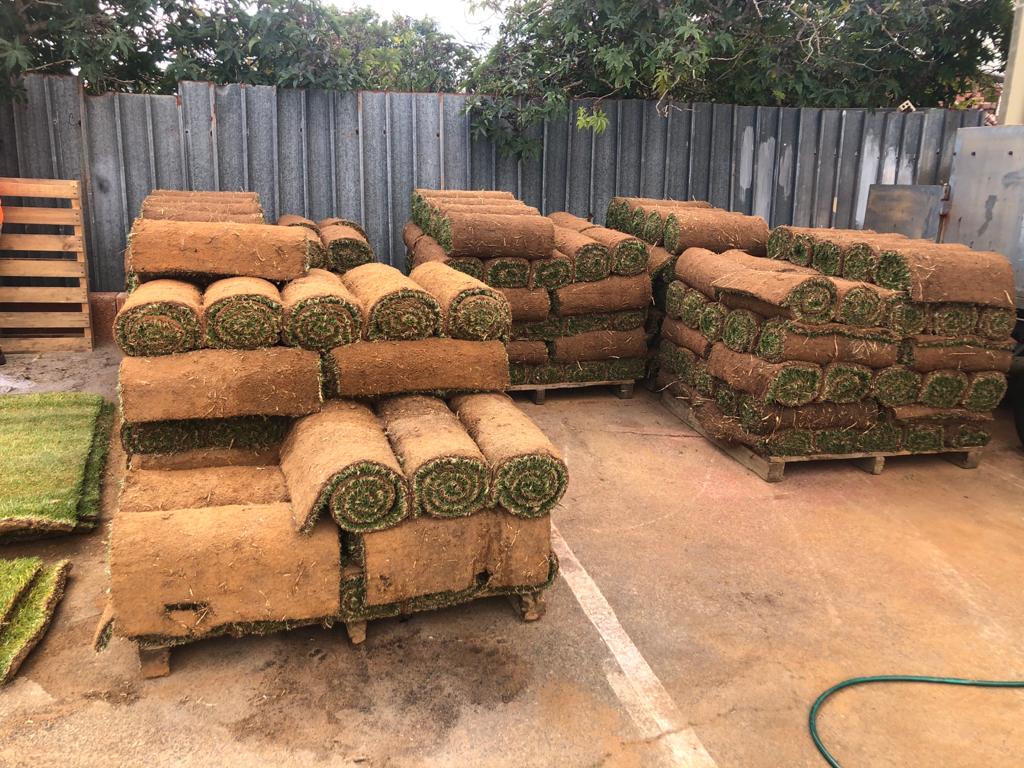
Before you lay a single roll of turf, you must prepare the ground properly. We highly recommend mixing quality organic matter and soil conditioners into your topsoil. If you skip this step, both your couch and kikuyu lawns will struggle to establish deep root systems. At The Turf Man, our installation team ensures your soil is perfectly graded and conditioned so your new investment thrives from day one.
Couch vs Kikuyu Grass: Quick Comparison
If you want a fast answer before diving deeper, here’s how kikuyu vs couch compares:
| Feature | Couch Grass | Kikuyu Grass |
| Leaf texture | Fine, soft | Coarse, thick |
| Growth rate | Fast | Very fast |
| Wear tolerance | High | Very high |
| Drought tolerance | High | Moderate to high |
| Maintenance | Medium to high | High |
| Shade tolerance | Low | Low |
| Cost | Higher | More affordable |
Simple takeaway:
Choose couch for appearance and control. Choose kikuyu for toughness and budget.
Final Verdict: Which Grass is Right for You?
Ultimately, there is no single best turf. The right choice depends entirely on your lifestyle, budget and yard conditions.
If you dream of a picture-perfect, fine-leafed lawn and you enjoy spending time manicuring your garden, couch grass will reward your efforts with a stunning finish.
If you are searching for an affordable, indestructible surface that can survive heavy use from pets and children, kikuyu is the absolute champion of backyard durability.
If your yard receives significant shade from buildings or large trees, you should skip both of these varieties and ask us about our premium shade-tolerant Buffalo turf instead!
Need Help Upgrading Your Lawn?
Choosing between couch or kikuyu does not have to be a stressful experience. At The Turf Man, we supply and install the highest quality turf across the Perth metropolitan area. Because we understand the local climate and soil conditions better than anyone, we can match the perfect grass to your specific property.
Visit The Turf Man today to request a free quote, and let us transform your sandy patch into a lush green oasis!
Frequently Asked Questions
Can you mix couch and kikuyu together?
While some older lawns contain a mix of both grasses, we do not recommend planting them together intentionally. Because they compete for the same nutrients and sunlight, the aggressive kikuyu will usually dominate the space over time. A mixed lawn also creates an inconsistent texture and colour that ruins the aesthetic appeal of your yard.
Which lawn type is better for large dogs?
When evaluating kikuyu vs couch for households with dogs, kikuyu generally takes the lead. Although couch is incredibly durable, kikuyu repairs itself much faster. If your dog creates bare patches by digging or running the same fence line every day, kikuyu will spread its runners and cover the damage rapidly.
How do I stop kikuyu from invading my garden beds?
Because kikuyu spreads through aggressive above-ground stolons, you must maintain physical barriers. Installing concrete or steel garden edging helps significantly. You will also need to use a line trimmer regularly along the borders to slice away any runners before they can root into your garden beds.
Are couch and kikuyu shade tolerant?
No. Both couch and kikuyu require a minimum of five to six hours of direct sunlight every day to remain healthy. If you plant these varieties in heavily shaded areas, they will become thin, leggy and eventually die. If you have a shady yard, you should look into broadleaf Buffalo varieties instead.
What is the ideal mowing height for couch grass vs kikuyu?
You can mow couch grass quite short. Most professionals recommend keeping couch between 10mm and 30mm for a neat, manicured look. Kikuyu prefers to be left a little longer to remain healthy. You should aim to keep kikuyu between 25mm and 40mm to prevent scalping and reduce stress on the plant during summer.